

Small Shifts, Real Impact: Earth Day

Submitted on

Small Shifts, Real Impact.

 
Earth Day conversations often focus on familiar ideas—recycling more, using less plastic, planting more trees. These actions matter, but they only begin to touch where real, everyday impact happens.

For homeowners, the most meaningful environmental choices are often less visible. They show up in what we choose to build, how we maintain our homes, and how often we replace what we already have.

It’s not about a single day, it’s about the conscious choices made consistently over time. Small, repeated shifts shape a home’s overall footprint more than one-time actions. Earth Day simply becomes a reminder to look more closely at those patterns and where they can be improved.

Clean Living: Rethinking What We Bring Into the Home

An often overlooked environmental touchpoint is what we use to clean our homes each week. It’s not just about packaging, it’s about frequency, ingredients, and long-term indoor impact.

Small, practical shifts include choosing concentrated cleaning products that reduce packaging waste over time, switching to refill systems instead of buying new bottles repeatedly, and using reusable cloths that replace constant paper towel use. Opting for simpler, ingredient-based cleaners where possible, rather than heavily chemical or fragrance-heavy options, also reduces unnecessary indoor load.

The goal isn’t perfection. It’s reducing the constant cycle of disposal and repurchase that most cleaning routines rely on. Over time, these adjustments reduce waste and create a more intentional rhythm at home.

sustainable cleaning supplies

Outdoor Spaces: Designed to Do More, Require Less

Our outdoor spaces play a meaningful role in how much water we use, how much waste we create, and the overall impact a new home has over time, especially in a climate like Winnipeg.

The best outdoor spaces aren’t always the most manicured. They’re the ones designed with intention, where materials last, plants return year after year, and the landscape works with the environment instead of against it.

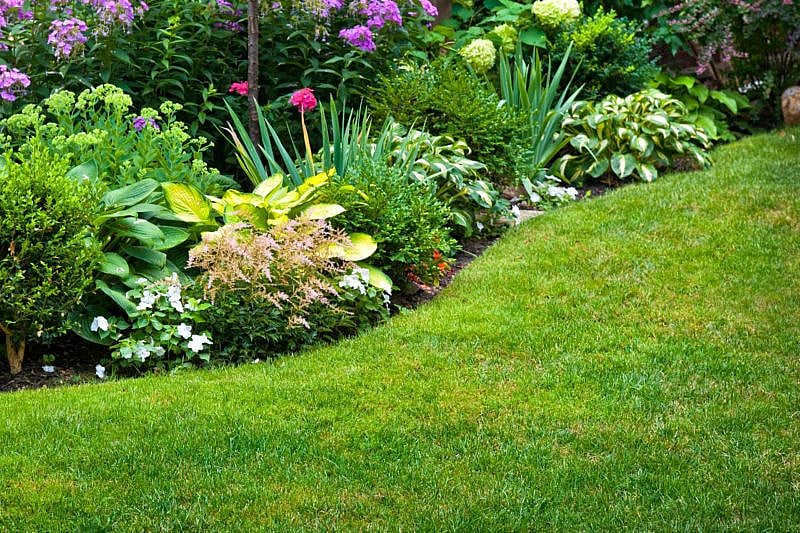
Intentional landscaping can include reducing high-maintenance planting in favour of natural growth patterns, choosing perennials that return each season instead of replanting annually, and limiting lawn area in favour of low-maintenance planting zones. Designing with pollinators and soil health in mind also helps support the natural ecosystem around the home.

It also extends into materials and layout, selecting durable outdoor finishes that don’t need frequent replacement, creating shaded or wind-protected areas that improve comfort, and planning for natural drainage and rainwater collection.

These choices use less water, create less waste, and lower their impact over time.

Building Smarter: Choosing Less Waste Over Time

For homeowners, sustainability isn’t only about what happens after moving in, it begins with the decisions made around what to buy, build, and install. Intentional planning in a new build is often seen in choices that reduce how often things need to be replaced, upgraded, or removed later.

This can mean choosing finishes and materials that hold up to daily life without frequent replacement, prioritizing layouts that continue to function as needs change, and selecting systems that are easy to maintain and repair rather than replace. It’s also about thinking in longer cycles—fewer changes, fewer resets, and more stability over time.

To support that confidence in decision-making, A&S Homes uses the Green Bow Approved Checklist as a guiding standard—helping ensure each home is built with thoughtful, lasting choices that give homeowners reassurance in what they’re investing in.

The real environmental benefit comes from reducing repetition: fewer replacements, fewer remodels, and less material ending up discarded because something was chosen for short-term appeal instead of long-term use.

The Bigger Shift: From Constant Replacement to Long-Term Thinking

The common thread through all of these choices isn’t sacrifice, it’s reduction of waste cycles and building good habits.
Cleaning products, gardens, building materials, and outdoor spaces all carry an environmental footprint that extends far beyond the moment of purchase or installation.
For homeowners, the opportunity isn’t to do everything differently. It’s to slow down how often things need to be redone.

Earth Day is a great day to remind us to look at where improvements can be made but the real impact comes from what remains timeless long after it passes. And that small shifts create lasting impacts.